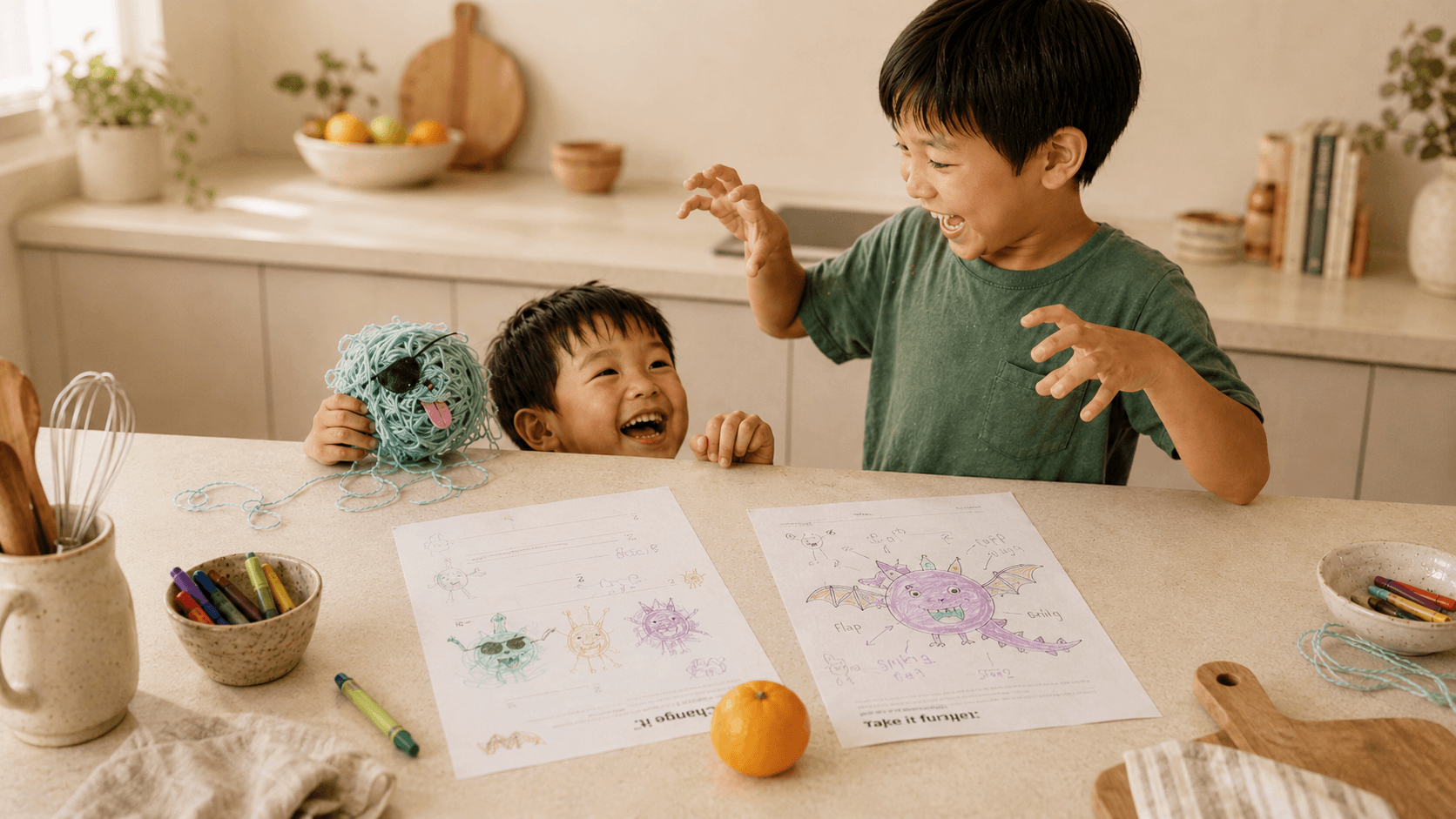
GET YOUR FREE PRINTABLE

GET YOUR FREE PRINTABLE

Start with a circle.
Who could it become?

Start with a circle.
Who could it become?

Start with a circle.
Who could it become?

A free printable from The Secret Life of a Shape — a design-led activity series helps kids turn a simple shape into original ideas, characters, feelings, stories, and worlds.

A free printable from The Secret Life of a Shape — a design-led activity series helps kids turn a simple shape into original ideas, characters, feelings, stories, and worlds.

Best for ages 4–8
Designed to flex by age — from simple noticing to deeper storytelling.
Younger children can play through the prompt with an adult nearby. Older children can add more detail, story, and meaning.

5–10 minutes · Screen-free · Instant download
No prep, no special materials


Best for ages 4–8
Designed to flex by age — from simple noticing to deeper storytelling.
Younger children can play through the prompt with an adult nearby. Older children can add more detail, story, and meaning.

5–10 minutes · Screen-free · Instant download
No prep, no special materials


Best for ages 4–8
Designed to flex by age — from simple noticing to deeper storytelling.
Younger children can play through the prompt with an adult nearby. Older children can add more detail, story, and meaning.

5–10 minutes · Screen-free · Instant download
No prep, no special materials


Start together.
Then see where they take it.

Start together.
Then see where they take it.

Enter your email and we’ll send the printable instantly.


Enter your email and we’ll send the printable instantly.


By entering your email, you agree to receive the free printable and occasional updates from ThinkSprig. We do not sell your data. View our Privacy Policy. Unsubscribe anytime.

By entering your email, you agree to receive the free printable and occasional updates from ThinkSprig. We do not sell your data.
View our Privacy Policy. Unsubscribe anytime.

One small prompt.
Many different outcomes.

One small prompt.
Many different outcomes.

Every child begins with the same simple shape. But each idea grows differently — through new choices, details, stories, feelings, and ways of seeing.


There’s no right answer to arrive at.
The value is in seeing where their thinking goes.


Every child begins with the same simple shape. But each idea grows differently — through new choices, details, stories, feelings, and ways of seeing.


There’s no right answer to arrive at.
The value is in seeing where their thinking goes.


Austin, TX

Suzie, 5.5 years old
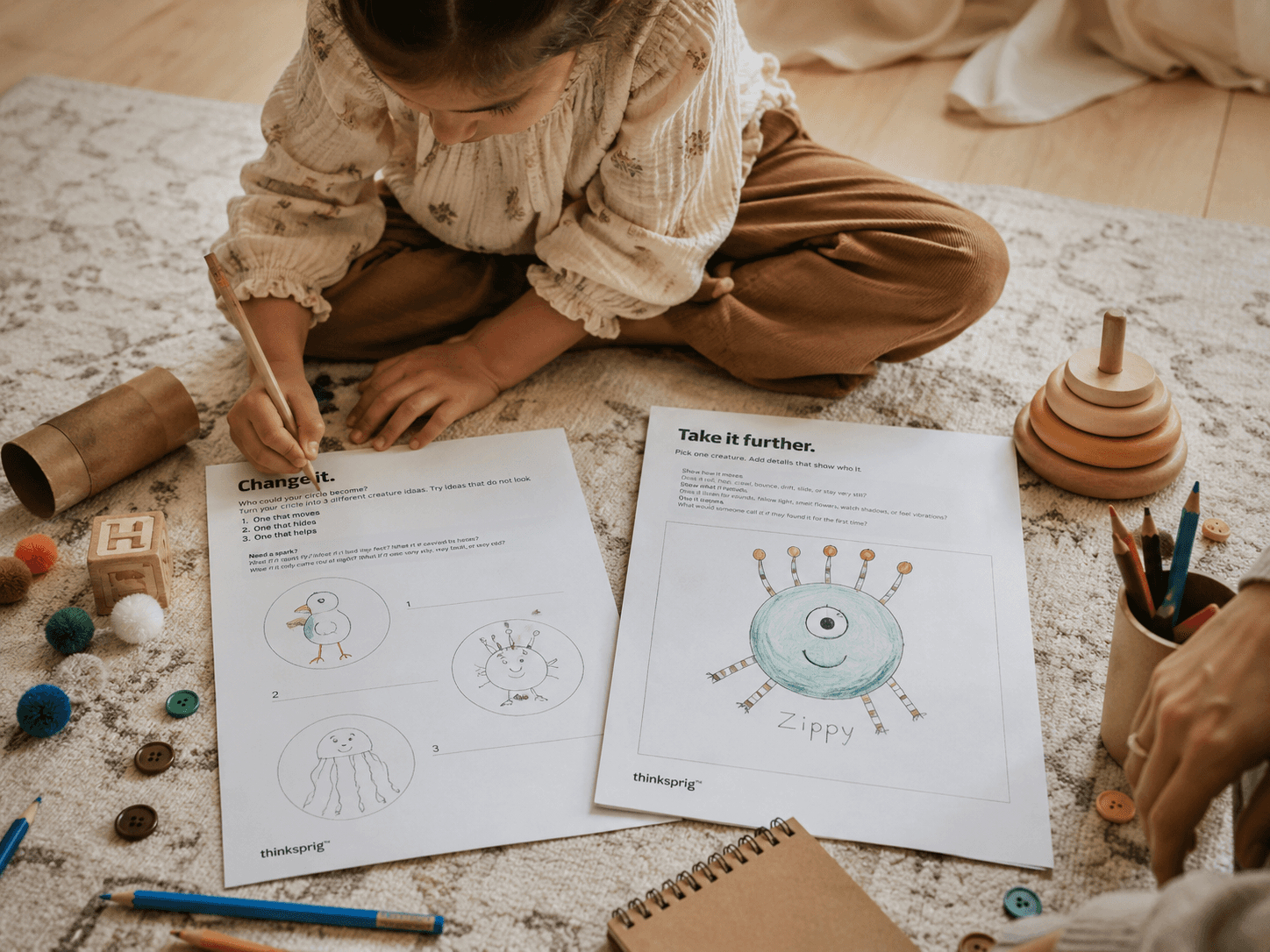
Brooklyn, NY

Kev, 8 years old
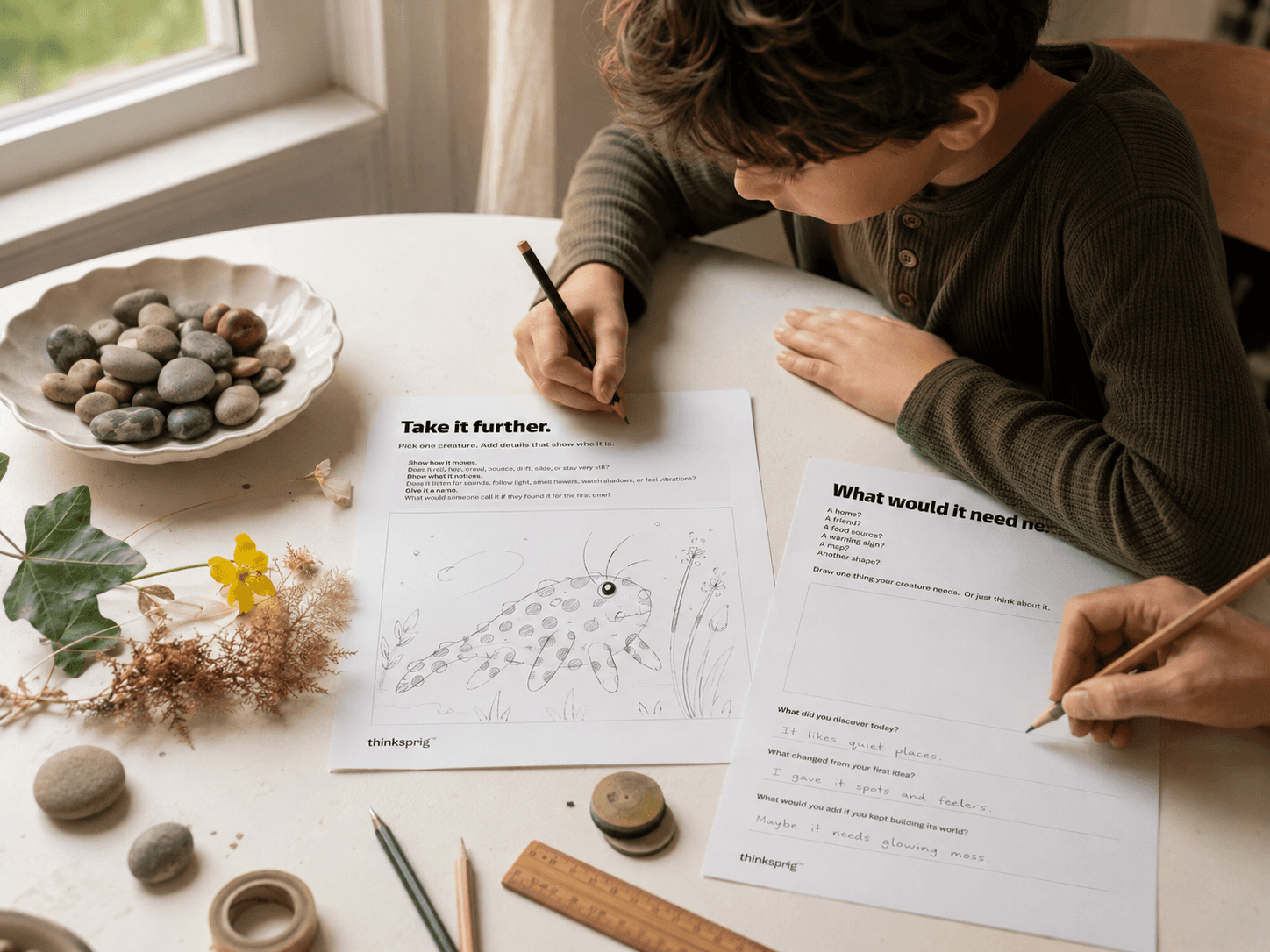
Columbus, OH

Mateo, 4 years old
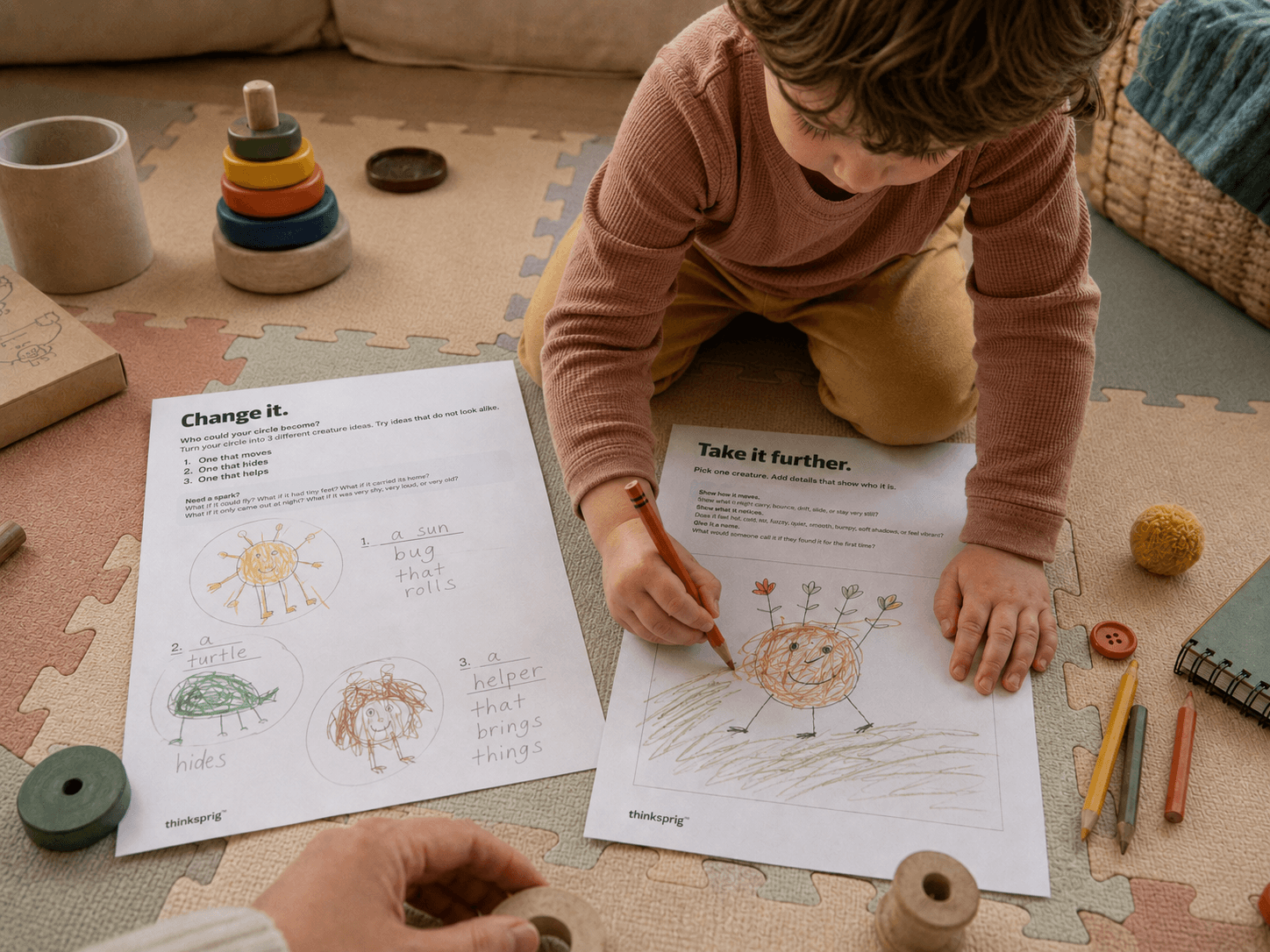
The idea they begin here can grow into a creature, a feeling, a story, a place, a pattern, or a world of its own.

The idea they begin here can grow into a creature, a feeling, a story, a place, a pattern, or a world of its own.

The first in a growing shape series.


The first in a growing shape series.


The Secret Life of a Shape begins with a circle — but it doesn’t stop there.

Soon, children will explore lines, triangles, squares, patterns, and more. Each shape opens a different kind of creative thinking: movement, feeling, protection, direction, rhythm, identity, and imagination.

The Secret Life of a Shape begins with a circle — but it doesn’t stop there.

Soon, children will explore lines, triangles, squares, patterns, and more. Each shape opens a different kind of creative thinking: movement, feeling, protection, direction, rhythm, identity, and imagination.

What could a square hold?

How does a triangle make you feel?

Where could a line take you?

What is hiding inside the pattern?

From one spark to a deeper creative practice.


From one spark to a deeper creative practice.


Coming Soon.

A ThinkSprig prompt deck and guided journal to help children grow their ideas into characters, feelings, maps, stories, symbols, and worlds.
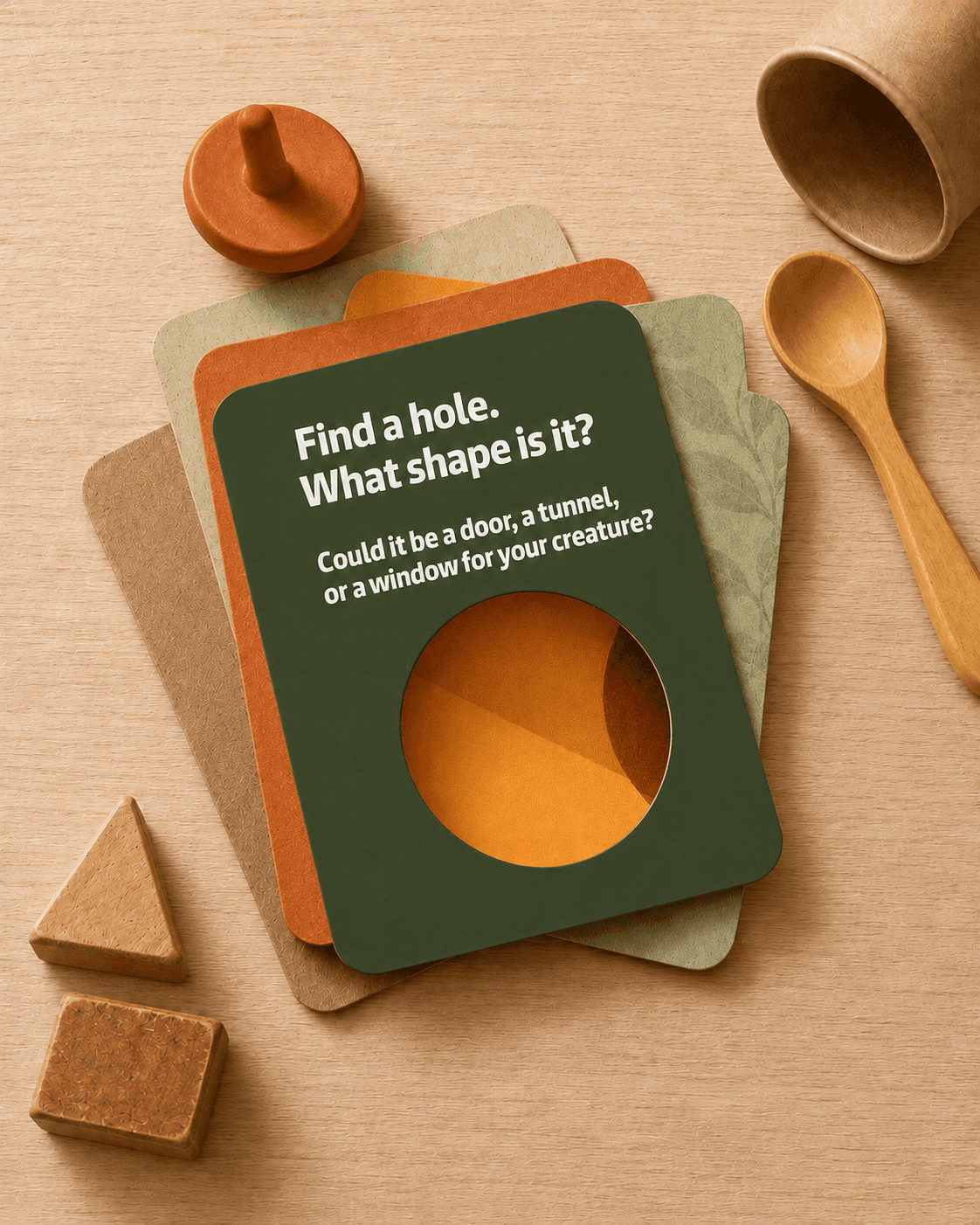
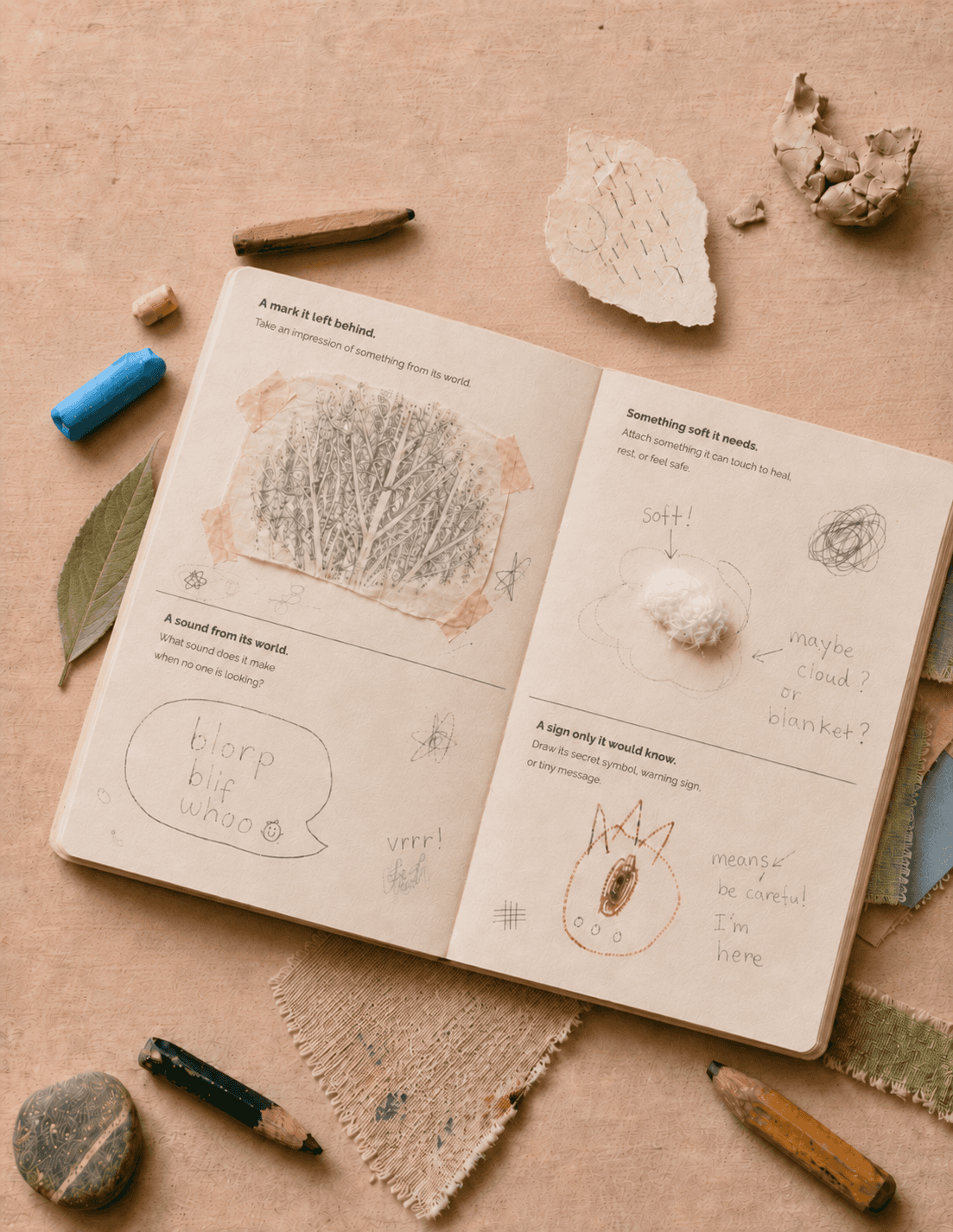

SPRIG DECKS

SPRIG JOURNALS

Small creative habits become larger ways of thinking.

Small creative habits become larger ways of thinking.

ThinkSprig activities are rooted in the same exploratory thinking used by designers, innovators, and creative problem-solvers — introduced through simple, playful challenges children naturally understand.


Ready to try the first one?